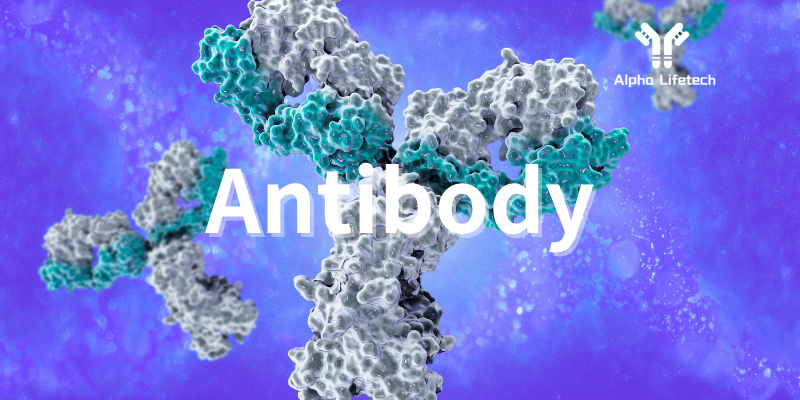
Adjuvant Selection for Antibody Production: Types, Mechanisms, and Applications
Adjuvants play an important role in antibody discovery by enhancing antigen-specific immune responses and supporting the production of high-affinity antibodies. Selecting the right adjuvant can influence antibody titers, B-cell activation, and immune repertoire diversity. Understanding adjuvant types, mechanisms, and safety profiles helps researchers optimize immunization strategies for monoclonal and polyclonal antibody development.
Common Types of Immunological Adjuvants
Different adjuvants stimulate immune responses through distinct mechanisms, making selection dependent on antigen properties, host species, and experimental goals.
- Oil-based emulsions: Incomplete Freund’s Adjuvant (IFA) and Montanide formulations can prolong antigen exposure and support sustained immune stimulation.
- Mineral salts: Aluminum hydroxide and aluminum phosphate, collectively known as alum adjuvants, are widely used to enhance antibody responses and often favor Th2-associated immunity.
- Saponin-based systems: QS-21 and immunostimulating complexes (ISCOMs) can promote strong antibody responses and support cellular immunity, depending on formulation.
- Pattern recognition receptor agonists: Monophosphoryl lipid A (MPLA) activates TLR4, while CpG oligodeoxynucleotides stimulate TLR9, promoting innate immune activation and antigen presentation.
How Adjuvants Enhance Antibody Production
Adjuvants support antibody generation through several complementary mechanisms. Some formulations influence antigen retention and availability, while others stimulate innate immune pathways and improve antigen-presenting cell activity.
Activated dendritic cells increase co-stimulatory molecule expression and release cytokines that support T-cell activation. These responses help establish effective interactions between antigen-specific B cells and T-follicular helper cells.
Within germinal centers, B cells undergo somatic hypermutation, class-switch recombination, and affinity maturation. These processes contribute to the development of high-affinity, antigen-specific antibodies and improved IgG responses.
Safety and Animal Welfare Considerations
Strong immune stimulation must be balanced against animal welfare. Complete Freund’s Adjuvant (CFA) can cause significant local inflammation, tissue damage, and granuloma formation, requiring careful justification and appropriate oversight. Other formulations also have potential adverse effects, including local nodules associated with alum and concentration-dependent toxicity from certain saponin-based systems.
Researchers should evaluate dose, administration conditions, local reactions, and systemic effects. Animal immunization protocols must follow applicable institutional and ethical requirements, including the principles of Replacement, Reduction, and Refinement (3Rs).
Applications in Antibody Discovery
Adjuvant selection can influence downstream antibody development workflows, including hybridoma generation and antibody phage display.
Soluble recombinant proteins may benefit from formulations that enhance immune stimulation. Peptides and small haptens often require carrier conjugation to improve immunogenicity, while membrane proteins may benefit from formulations that help preserve native conformational epitopes.
Matching the adjuvant to the antigen and discovery platform can support productive immune responses and provide diverse antibody candidates for subsequent screening.
Conclusion
Adjuvant selection is an important factor in successful antibody production. By considering antigen structure, immune mechanisms, host compatibility, and safety, researchers can develop more effective immunization strategies for monoclonal antibody generation, polyclonal antibody production, and antibody library construction.
Alpha Lifetech provides a comprehensive and fully integrated Antibody Discovery Platform to support your custom bispecific antibody development. Utilizing advanced Phage Display Technology and Yeast Display Technology, our platform is designed for the discovery and engineering of high-affinity antibodies across multiple formats, including VHH, Fab, and scFv.